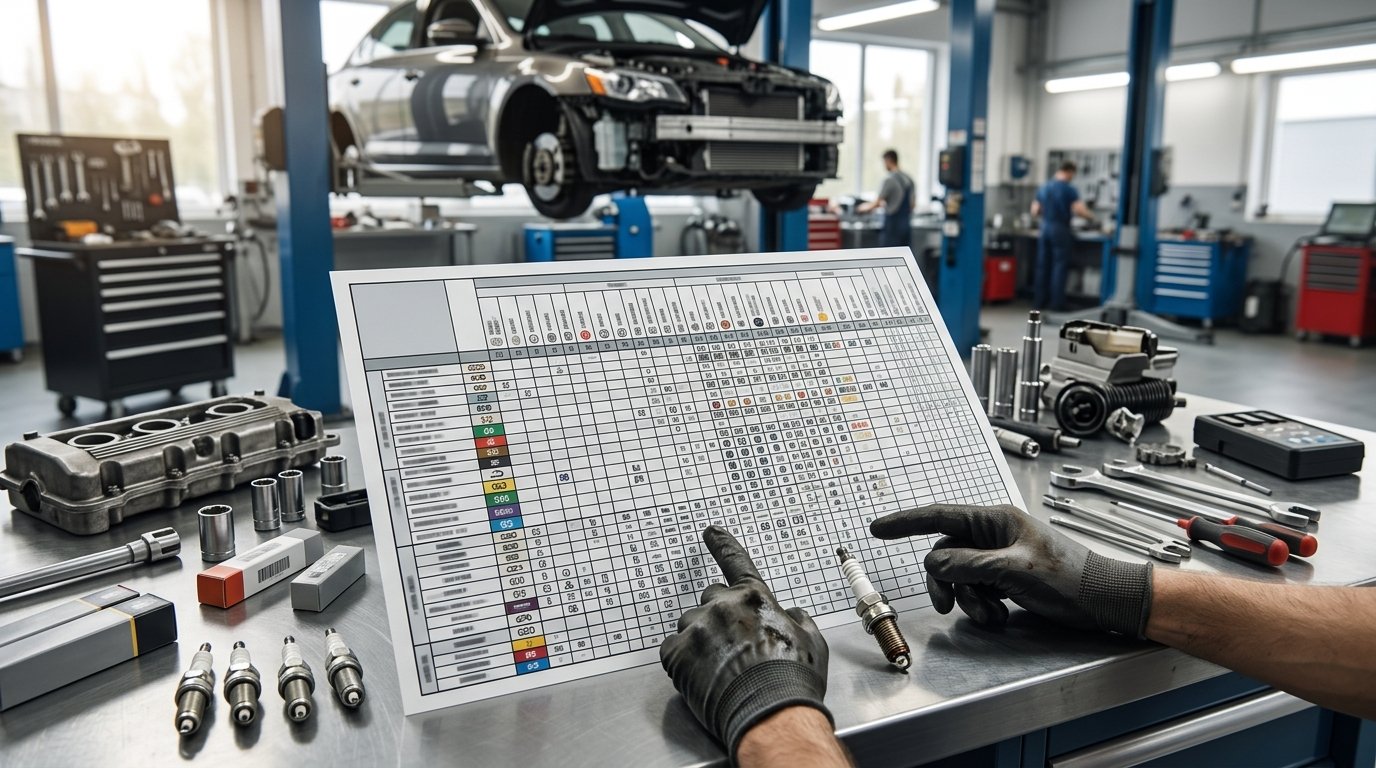
An E3 spark plug cross reference chart maps original E3 part numbers to equivalent OEM and aftermarket plugs that fit your vehicle’s engine. It eliminates guesswork when shopping for replacement plugs.
If you’ve ever popped the hood to replace spark plugs and spotted an E3 part number stamped on your old plug, you know how frustrating it is to hunt for a matching replacement without a cross reference.
E3 Spark Plugs are a popular choice for their unique diamond-fire electrode design that improves combustion efficiency, so many drivers stick with the brand when replacing worn plugs, or look for a lower-cost equivalent that delivers the same performance.
This guide walks you through how to use an E3 spark plug cross reference chart correctly, common compatible part numbers across vehicle makes and models, and key specs to double-check before you buy, so you avoid installing the wrong plug and triggering engine misfires or reduced fuel economy.
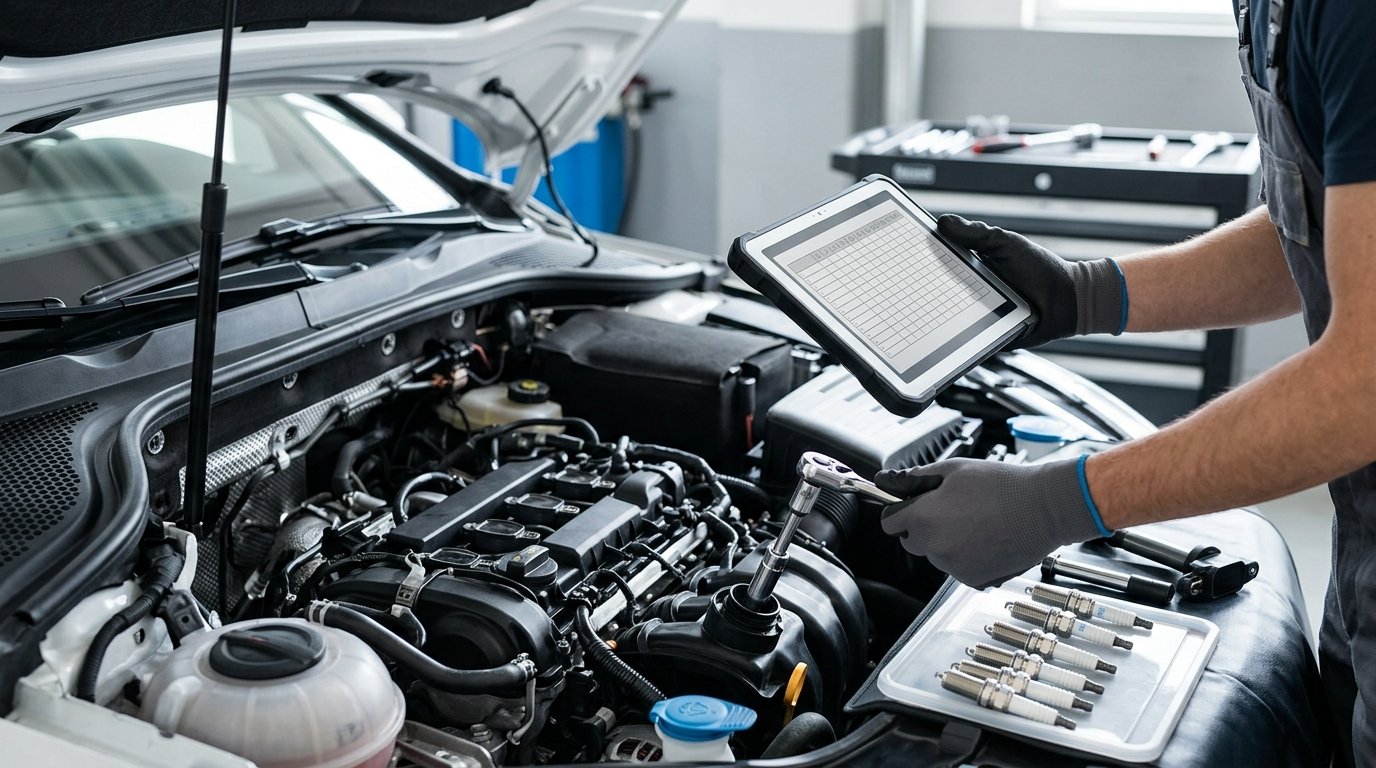
How E3 Cross Reference Charts Work
Cross reference charts map original E3 part numbers to equivalent aftermarket and competing brand plugs that match the required fit, heat range, and performance specs for your vehicle. These charts pull directly from E3’s published compatibility data to eliminate guesswork when you’re shopping for replacements.
You only need your old E3 plug’s stamped part number, or your vehicle’s year, make, model, and engine size, to look up compatible matches. Most cross reference tools also list the core specs for each matched plug, so you can confirm fit before purchasing.
Key Specs to Verify When Cross Referencing
Even when a cross reference lists a compatible plug, double-checking these four specs ensures you don’t install a part that damages your engine or hurts performance.
The most critical specs to confirm include:
- Thread size and pitch: most passenger cars use 14mm threads with a 1.25mm pitch, but some European and performance engines use different sizing.
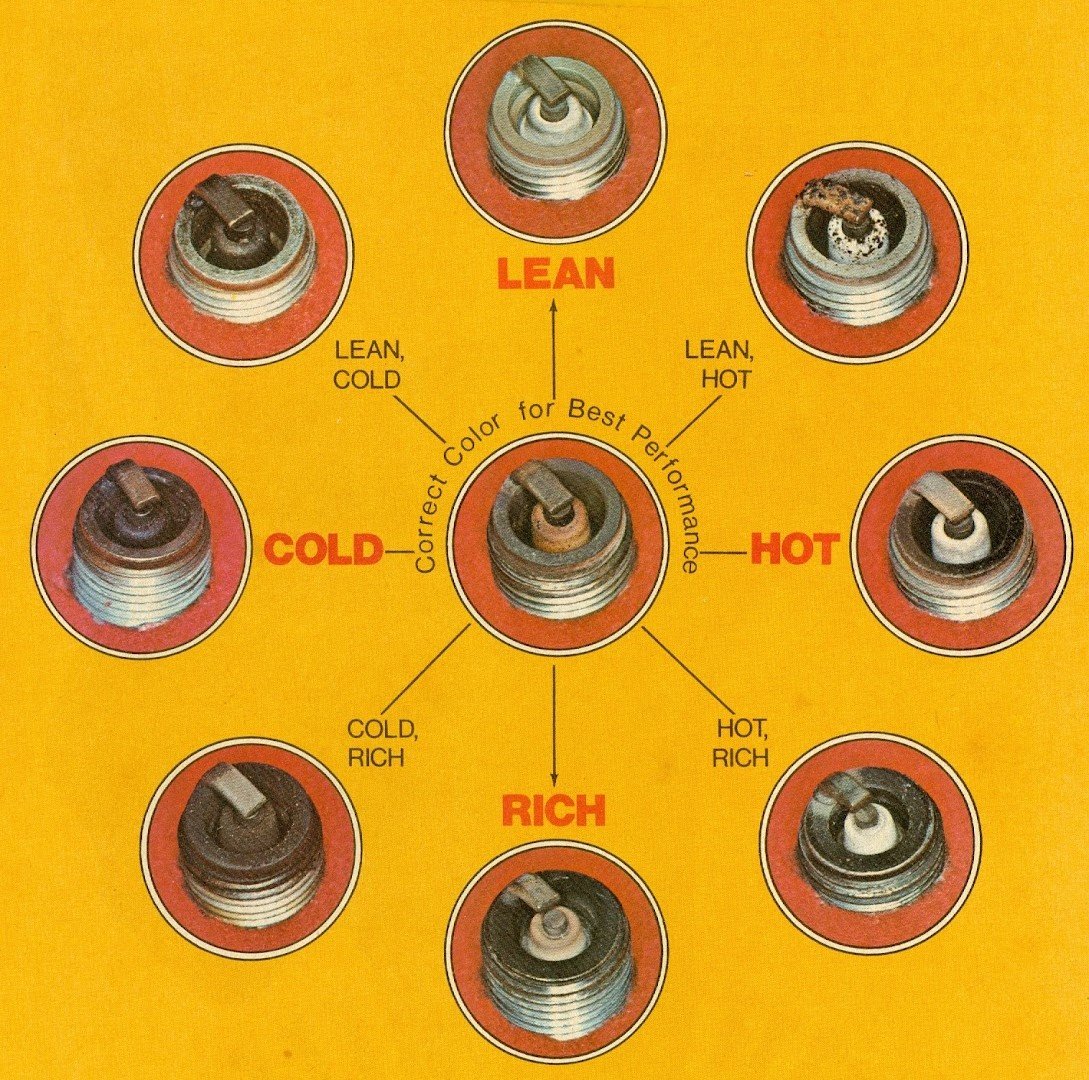
- Heat range: matches your engine’s operating temperature; too hot a plug causes pre-ignition, too cold leads to fouling.
- Reach: The length of the threaded section, measured in millimeters; incorrect reach can damage cylinder heads or leave plugs unseated.
- Electrode design: E3’s diamond-fire electrode is unique, so cross-referenced plugs may have a different electrode material that impacts longevity.
You can find these specs stamped on the ceramic insulator or metal shell of your old spark plug, or listed in your vehicle’s owner’s manual under the maintenance section.

Common E3 Spark Plug Cross Reference Matches
Below is a sample of common E3 spark plug part numbers and their widely available aftermarket equivalents for popular U.S. passenger cars and light trucks.
Note that compatibility varies by engine variant, so always verify matches against your specific vehicle’s requirements before purchasing.
Comparison Table
The table below summarizes the relevant differences at a glance.
| E3 Part Number | Common Vehicle Application | Compatible Aftermarket Equivalent | Matching Core Specs |
|---|---|---|---|
| E3.102 | 2014–2021 Honda Civic 1.5L/2.0L 4-cylinder | NGK BKR5E-11, Denso FK20HBR11 | 14mm thread, 1.25mm pitch, 11mm reach, heat range 5 |
| E3.104 | 2016–2023 Ford F-150 3.3L V6 | Motorcraft SP-515, NGK B6S | 14mm thread, 1.25mm pitch, 0.75″ reach, heat range 6 |
| E3.107 | 2018–2022 Toyota RAV4 2.5L 4-cylinder | Denso FK20HR11, NGK BKR6E-11 | 14mm thread, 1.25mm pitch, 11mm reach, heat range 6 |
| E3.112 | 2015–2020 Chevrolet Silverado 1500 5.3L V8 | AC Delco 41-988, NGK BKR5EIX-11 | 14mm thread, 1.25mm pitch, 11mm reach, heat range 5 |
This table covers only the most common E3 part numbers for recent U.S. market vehicles, E3 manufactures plugs for hundreds of engine variants, including performance and diesel applications, so always confirm matches using your old plug’s stamped part number or your vehicle’s VIN.
Mistakes to Avoid When Using a Cross Reference
Even with a reliable cross reference chart, these common errors can lead to poor engine performance, costly repairs, or even engine damage.
The most frequent missteps to avoid include:
- Assuming all cross reference charts are identical: Third-party charts may have outdated or incorrect matches, so prioritize official E3 documentation or reputable auto parts retailer cross reference tools.
- Skipping the heat range check: Heat range is the most commonly overlooked spec when cross referencing, and an incorrect match will cause fouling, misfires, or pre-ignition even if thread size and reach are correct.
- Using cross reference data for modified engines: If you’ve upgraded your engine’s intake, exhaust, or tuning, your stock heat range requirement may change, so consult a performance parts specialist before selecting a cross-referenced plug.
If you can’t find your E3 plug’s part number stamped on the ceramic insulator, check the metal shell of the old plug, or reference your vehicle’s maintenance log for the original part number used at the last spark plug service.
Where to Find Official E3 Cross Reference Resources
Official E3 cross reference tools are the most reliable source for compatible part numbers, as they are updated regularly to cover new vehicle models and engine variants.
You can access official cross reference data via:
E3 Spark Plugs’ official website, which has a free lookup tool where you enter your vehicle’s year, make, model, and engine size to pull compatible E3 and equivalent aftermarket part numbers.
Major auto parts retailer websites, including AutoZone, O’Reilly Auto Parts, and Advance Auto Parts, which host updated cross reference charts for most popular U.S. market vehicles.
Third-party performance parts databases, such as Summit Racing and Jegs, for cross references covering modified, classic, and performance engines not listed in standard retail charts.

Related Article
Spark Plug A7TC Cross Reference
RJ19LM Spark Plug Cross Reference Chart
AM5C Spark Plug Cross Reference
Frequently Asked Questions
Below are answers to the most common questions about E3 spark plug cross reference charts.
Q: What does an E3 spark plug cross reference chart do?
A: An E3 spark plug cross reference chart maps original E3 part numbers to equivalent OEM and aftermarket plugs that fit your vehicle’s engine. It eliminates guesswork when shopping for replacements.
Q: Do I need a cross reference chart to replace E3 spark plugs?
A: You only need a cross reference chart if swapping E3 plugs for a different brand or aftermarket equivalent. If replacing with new E3 plugs, your old part number is sufficient.
Q: Are all cross referenced spark plugs the same quality as E3?
A: Cross referenced plugs match core fit and performance specs of original E3 plugs, though electrode material and longevity may vary by brand. Verify warranty coverage before purchasing third-party equivalents.
Q: Can I use an E3 cross reference chart for classic cars?
A: Yes, E3 manufactures plugs for most classic U.S. and import engines, and cross reference charts include matches for vintage vehicles. Confirm specs against your engine’s original factory requirements before purchasing.
Q: What happens if I install the wrong cross referenced spark plug?
A: Installing an incorrect plug can cause engine misfires, reduced fuel economy, fouled plugs, or even pre-ignition that damages pistons and valves. Always double-check specs before installation to avoid costly repairs.
Conclusion
Using an E3 spark plug cross reference chart takes the guesswork out of finding compatible replacement plugs, whether you’re sticking with the E3 brand or switching to an aftermarket equivalent. Always verify thread size, heat range, reach, and electrode specs against your old plug or vehicle’s official requirements to avoid performance issues or engine damage.
For the most accurate matches, rely on official E3 cross reference tools or reputable auto parts retailer resources rather than unvetted third-party charts. When in doubt, consult a trusted mechanic to confirm your selected plug is a proper fit for your specific engine.