Does Express Oil Change spark plugs? No, Express Oil Change typically doesn’t replace spark plugs during an oil change. Spark plug replacement is usually a separate service.
If you’ve ever driven your car to get an oil change, you might wonder whether or not the mechanics check spark plugs. Oil changes are important, but so are spark plugs, so it seems reasonable to wonder whether quick oil changes consider spark plug maintenance. However, quick oil changes are designed to get your vehicle in and out as quickly as possible. Their main focus is on the oil and the oil filter. Anything else, including spark plug maintenance, gets ignored.
Because of this, we will be focusing on whether express oil, change oil mechanics, check spark plug maintenance, how often you should check spark plugs, and why it is important to keep spark plugs in good condition. Keeping your car in good condition is important, as is spark plug maintenance and oil changes.
What is an Express Oil Change?
A quick oil change service is where a technician replaces a customer’s engine oil and oil filter. The purpose of this service is to do it as quickly as possible. In fact, an oil change service works to have it completed in less than 30 minutes. This service is therefore very convenient to people who have busy schedules. In addition to changing the engine oil and oil filter, a quick oil change may include a basic inspection of other components of the vehicle. The additional components that may be inspected are the tires, belts, and air filter.
Even though a quick oil change includes some additional inspection services, it focuses most on the oil. Checking and replacing spark plugs is another service some oil change shops may offer, but it is not included unless it is requested by the customer.
Why Spark Plugs are Important?
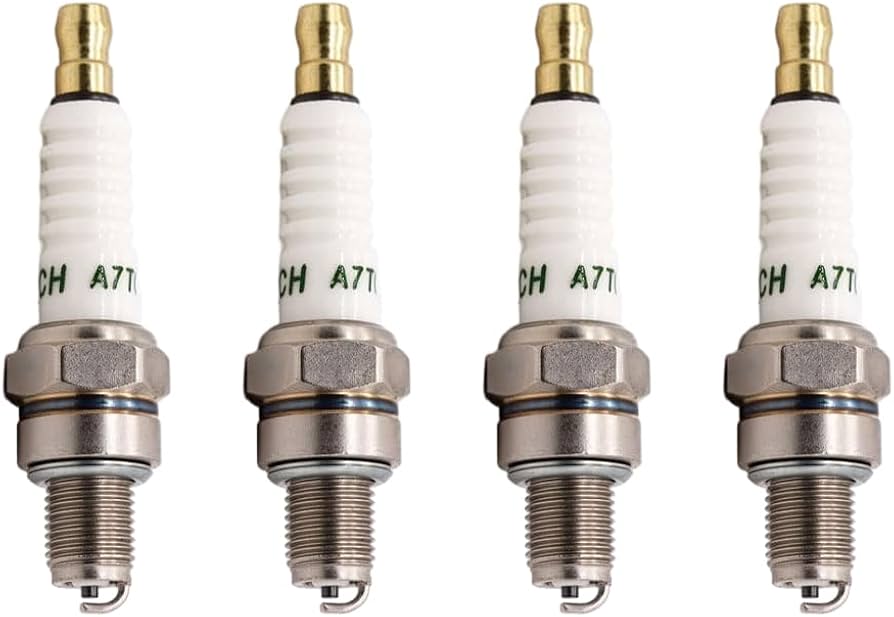
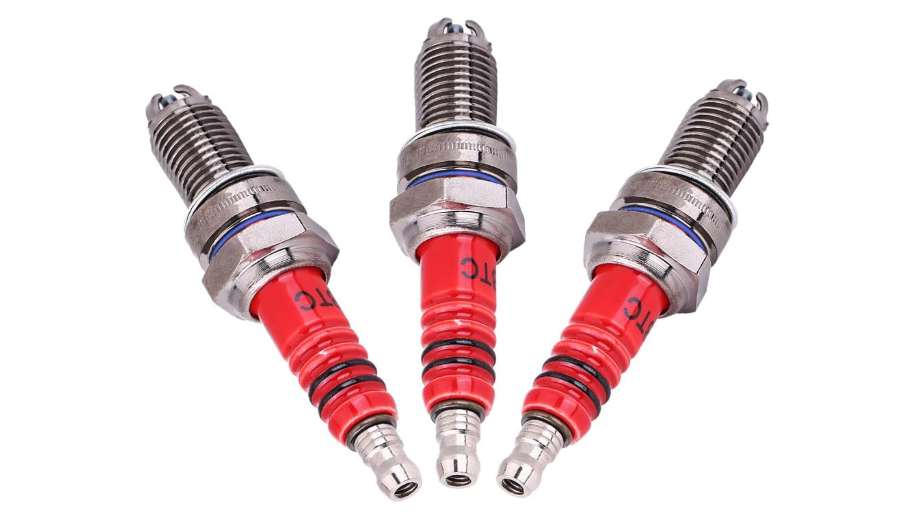
Even though spark plugs are small, they do serve a very important purpose in a vehicle’s engine. They are the ones that create a spark, and that spark ignites the air/fuel mixture in the engine’s combustion chamber. Without spark plugs, that engine would not be able to run.
As spark plugs function, they have the potential to accumulate carbon and other debris. Additionally, they may wear down over time, causing issues such as a decrease in fuel efficiency, rough idling, and engine misfires. If neglected, these issues can lead to serious engine damage.
Does an Express Oil Change Include Spark Plug Maintenance?
The short answer is no. An Express Oil Change does not include spark plug replacement or any spark plug inspections. Oil changes only take a few minutes, as they are only concerned with maintaining the lubrication system of the engine. Maintenance on spark plugs is a more time-consuming process.
During an express oil change, the technician usually will not check spark plugs, as that does not fall under the express oil change category. Express oil changes are quick processes that only consist of oil and fluid checks. They may check the coolant and brake fluid and have a quick air filter and windshield wiper inspection, but when it comes to spark plugs, they do not have a quick system.
Why Spark Plug Maintenance is Important
There is a good reason to explain why spark plug maintenance will keep your car operating properly. Spark plug health is critical to the following:
- Improved Engine Function: Spark plugs that are worn or lose can cause an engine to misfire. This will cause the engine to underperform. New spark plugs will ensure the engine runs appropriately.
- Enhanced Fuel Efficiency: Faulty spark plugs can cause incomplete combustion of gasoline. This will cause the engine to burn more fuel. Replacing worn spark plugs will allow the engine to utilize fuel more effectively.
- Avoiding Further Damage: Unless you want the ignition coils or catalytic converter to be damaged, you should pay attention to your spark plugs. Ignoring their condition can cause serious problems.
- Fewer Pollutants: Increased and improved combustion is ensured with the use of efficient spark plugs. This can help reduce the amount of pollution that your car produces.
Spark plugs need to be replaced, and should be done with the intent of extending the life of your car’s engine and minimizing repairs that will need to be done.
How Long Spark Plugs Last
Spark plugs need to be replaced as frequently as the oil does, but they will need to be changed. The type of spark plugs you have and the frequency of your driving will determine how long your plugs will provide proper service.
- Standard Copper Spark Plugs: They can be expected to fail after about 30,000 miles.
- Platinum spark plugs: Usually last about 60,000 miles.
- Iridium spark plugs: Will last as long as 100,000 miles.
The time frames mentioned above are general and could vary due to driving habits and different car makes/models. For example, if you do a lot of short trips, the spark plugs could burn out faster.
How Are Spark Plugs Replaced?
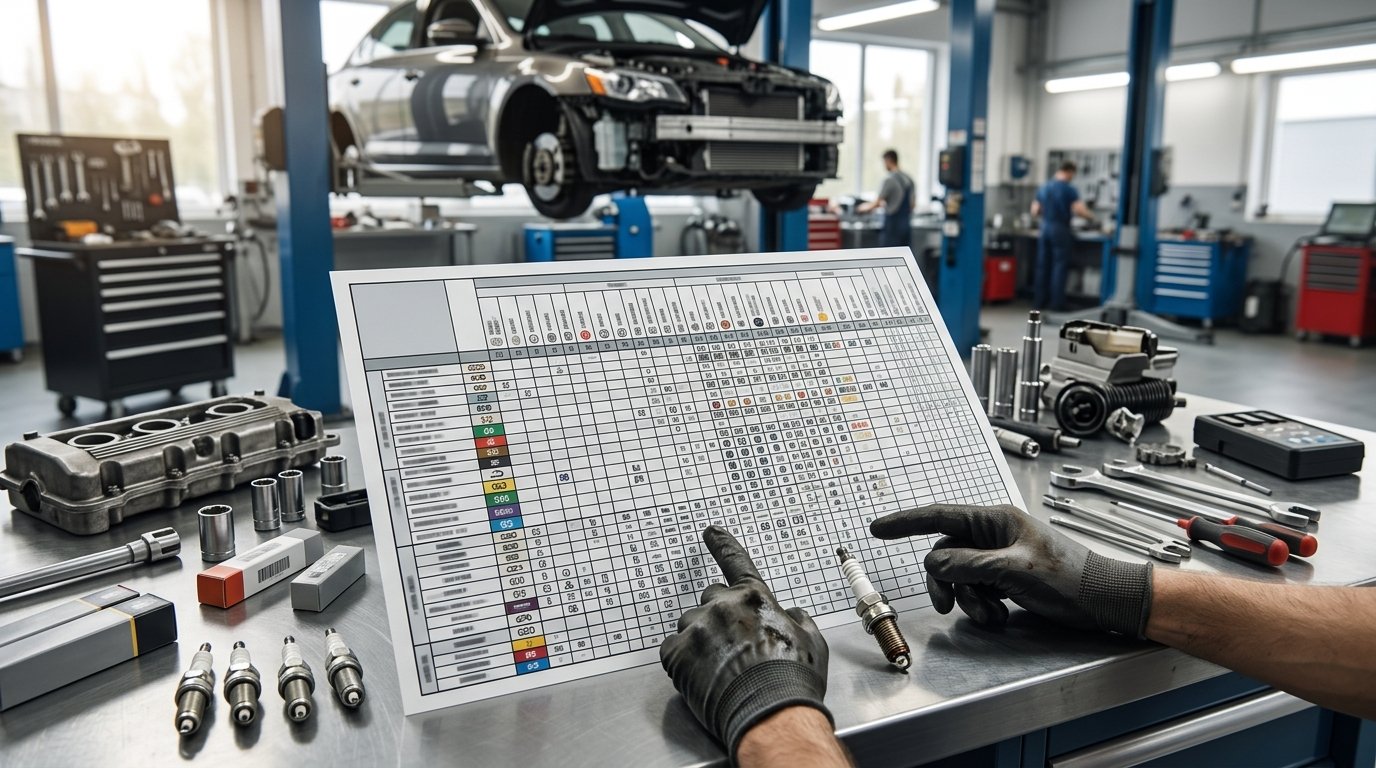
Replacing spark plugs is a long and somewhat tricky process. It is more than just removing the spark plugs, inspecting them, and putting them back in. Here is a brief overview of the process.
- Finding the Spark Plugs: The first thing that has to be done is that the mechanic has to locate the spark plugs. Depending on the car, this could be quite simple, and it may be necessary to take off other parts of the car, like engine covers.
- Taking off the Wires: Spark plugs have some ignition wires or coils connected to them. These have to be disconnected from the plugs and done carefully so that they are not broken.
- Removing Old Spark Plugs: The last thing to do is take a spark plug socket and a special wrench. Using these, the mechanic can take out the spark plugs.
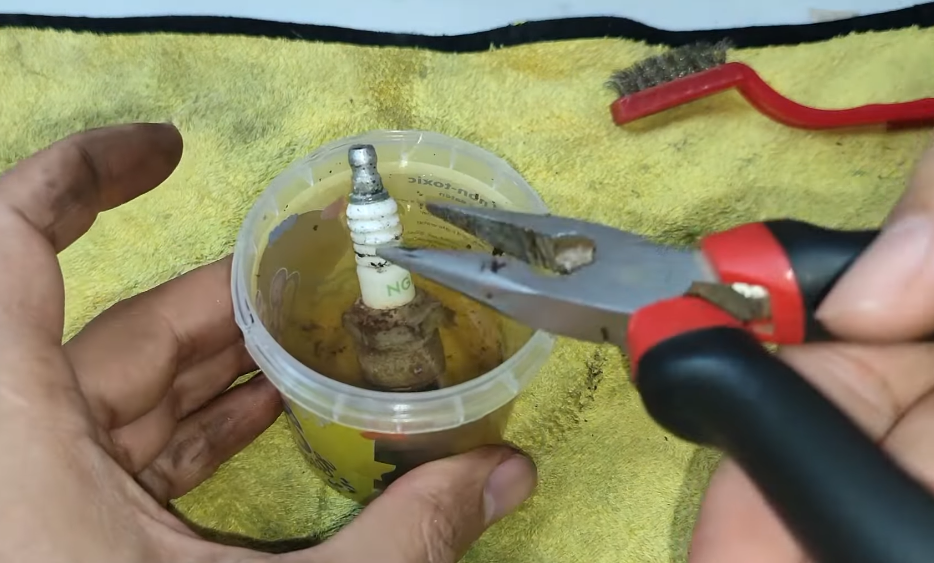
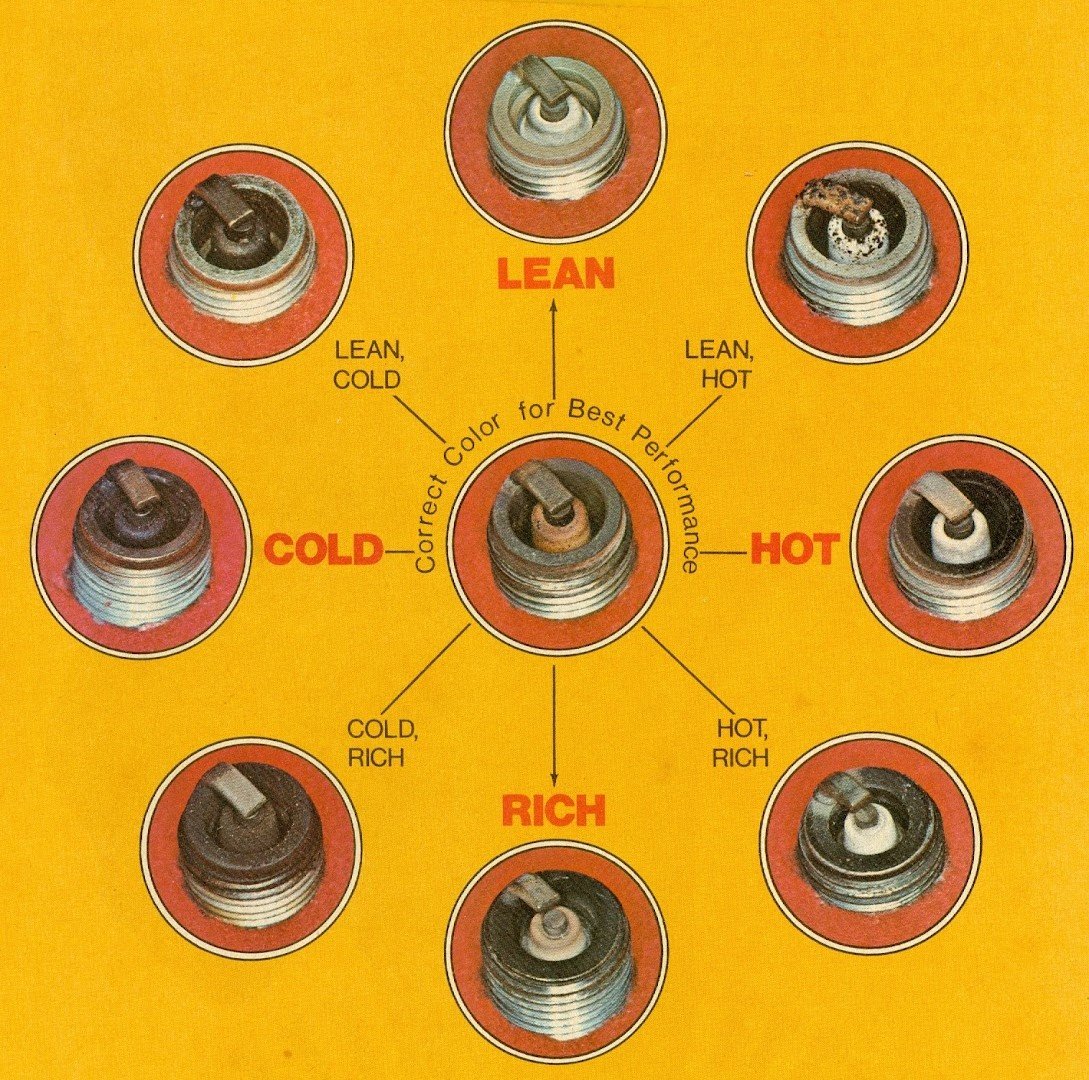
- Check Spark Plug Condition: The technician checks the old spark plug. They look for wear, which could include breaks, damage, or even carbon buildup. Also, look for the spacing between the electrodes. Closely spaced electrodes aren’t able to provide sufficient spark to the fuel-air mixture.
- Fitting New Spark Plugs: New ignition spark plugs are fitted to the proper torque specifications. The ignition wires or coils are then reconnected.
- Engine Spark Plug Function Test: The technician will then start the engine to check if the new spark plugs are working properly.
This service takes longer than an oil change because of the number of parts that need to be removed, along with the fine nature of the work involved. Spark plug replacement is usually a separate service that requires prior request or scheduling.
Is it Possible to Check Spark Plugs During Quick Oil Changes?
While quick oil change services do not include spark plug changes, some services may include spark plug inspections, so one could ask the technician whether they can check the oil and spark plugs.
If they discover any damaged spark plugs, they might recommend making another appointment to change the spark plugs. Some auto repair shops may offer a promotion to do both an oil change and a spark plug change, so it’s a good idea to check to see what they have.
When are Spark Plugs Due for a Change?
How often spark plugs are due for a change is dependent on the spark plug type and the vehicle. The general breakdown is as follows:
- 30,000 Miles = Copper Spark Plugs
- 60,000 Miles = platinum spark plugs
- 100,000 Miles = iridium spark plugs
If you have not hit the suggested mileage, some signs indicate it’s due for a change, including:
Incorrect Engine Operation: If the engine is not functioning as intended, such as sputtering or causing the vehicle to jerk while driving or sitting still, that’s most likely due to a malfunctioning spark plug.
Rough Idling: If your car is vibrating or has a rough idle, it may be a sign of worn spark plugs.
Poor Acceleration: Misfiring spark plugs may be the reason your car has become sluggish when you step on the gas.
Decreased Fuel Economy: Fuel efficiency may also be affected by outdated spark plugs, leading to a greater degree of unburned fuel (i.e., incomplete combustion).
Difficulty Starting: Some spark plugs become harder to start when the weather’s cold or damp.
Can I Change Spark Plugs by Myself?
You can change spark plugs if you have basic knowledge of mechanics. It won’t take much in the way of tools—just a spark plug socket, a ratchet wrench, a torque wrench, and of course, some spark plugs. The following is a general outline of the steps you’ll have to take:
Finding the Spark Plugs: Depending on the engine type, you may be able to see the plugs, or there may be some other components you need to remove in order to get to the engine.
Removing Spark Plug Wires: The spark plug wires and ignition coil wires will all need to be disconnected, and this may have to be done in a particular order.
Check the Old Spark Plugs: Look to see if the old spark plugs have any signs of wear or damage. A gap tool can be used to measure the gap in the new spark plugs.
Fit the New Spark Plugs: Place the new spark plugs and adjust them to the torque specifications provided by the manufacturer.
Reconnect the Spark Plug Wires: After setting the new spark plugs in place, connect the ignition wires or coils again.
It’s best to leave the spark plug replacement to a professional mechanic if you don’t feel confident about this process or if you don’t have the right tools.
Frequently Asked Questions
Here are some FAQs about the Express Oil Change spark plugs replacement policy –
1. Does an express oil change include spark plug replacement?
No. Express oil changes consist of the oil and oil filter. Replacing spark plugs takes time and is a separate service you have to ask for.
2. How often should spark plugs be replaced?
Depending on the type of spark plug in the vehicle, spark plugs should be replaced anywhere between 30,000 and 100,000 miles.
3. Can I check my spark plugs during an oil change?
Some auto shops might allow you to check spark plugs as part of an inspection; however, you will not always have this as an option during an oil change.
4. How can I tell if it needs spark plug replacement?
Some signs can include rough engine idles, misfires, bad acceleration, decreasing fuel economy, and starting difficulties.
5. Is it hard to replace spark plugs myself?
Replacing spark plugs can require a good amount of skills, but it can be done with the right tools and a good amount of knowledge. If you are unsure, it is better to leave it to an expert.
Conclusion
Cross oil changes are great for keeping your car’s oil system maintained, but it is important to understand that it neither includes spark plug replacement nor inspections. The spark plugs of an engine are crucial for how well it performs, and making sure that they are in good condition can increase fuel efficiency, as well as engine performance, and can increase the longevity of your car. Check your car’s manual to see the spark plug replacement intervals and if necessary, schedule a different service.
Keeping your vehicle maintained is extremely important to ensure your car continues to run well. By staying on top of everything and getting your oil changes as well as spark plugs replaced, your vehicle will run optimally for a long time.