To keep the engine of your vehicle performing efficiently, installing spark plugs in Ford Transit Connect is a key maintenance work that impacts the engine performance, efficiency, and vitality. Whether you are a beginner or an amateur mechanic, our guide aims to provide the proper steps on how to install spark plugs in Ford Transit Connect while enabling the engine to run on optimal capacity. The role of spark plugs may be minute to some, but in the ignition of an internal combustion engine, it helps in starting the combustion of the fuel and air.
If spark plugs become worn out or faulty, engine misfires, reduced fuel efficiency, and rough idling can become a problem. Proper installation helps the vehicle to run efficiently while extending engine longevity.
In this article, you are provided the step by step guide on how to replace spark plugs with accurate tips to ensure everything is completed correctly.

Why Proper Spark Plug Installation Matters for Ford Transit Connect
Ford Transit Connect has spark plugs for its engine. These spark plugs are omponents of the engine that are responsible for producing the spark needed to ignite the fuel-air mixture in the engine’s combustion chambers. Spark plugs are very critical to the performance of an engine. If any part of the spark plugs are broken, an engine is not able to operate normally. Poor performance, reduced fuel economy, and even engine misfires are common symptoms of faulty spark plugs.
The proper way to install spark plugs ensures the below reason:
Enhanced Power and Acceleration: Plugging spark plugs the proper way allows for streamlining combustion. This allows the engine to power and smooth thus giving optimum performance.
Save on Fuel: Defective spark plugs cost an engine because they are unable capable of completing the combustion needed to enhance fuel economy.
Reduced Emissions: Spark plugs that work properly guarantee that no fuel is wasted. This is the reason for the reduction in harmful emissions thus making the vehicle greener.
Increased Engine Life: Regular servicing of the engine, for instance, replacing spark plugs on time, ensures that no damage, and thus no costly repairs.
How to Install Spark Plugs in Ford Transit Connect
Make sure you have the appropriate tools and equipment before carrying out the installation. Besides, installing a spark plug requires the following equipment.
Tools Required
New Spark Plugs: The new spark plugs should match the model of your Ford Transit Connect. The owner’s manual has the various specifications for the spark plugs.
Spark Plug Socket- 5/8″ (or 16mm) Spark Plug Socket: This is a type of socket used for spark plugs. Normally, the socket has a rubber insert that grips the spark plug and does not allow for it to be damaged.
Ratchet Wrench and Extension Bar: These tools will make putting the spark plugs back easier. The extension bar will allow you to use the bar on plugs that are set deeper than usual plugs.
Torque Wrench: This tool is quite important. Without it, you will not be able to fasten the spark plugs according to the manufacturer’s recommendations.
Feeler Gauge and Gap Tool: These are tools that check the gap between the electrodes on the spark plugs and adjust the gap to the desired level. Without a proper gap, ignition and combustion may not take place.
Anti-Seize Compound (Optional): Some manufacturers recommend that it should not be used, while other manufacturers recommend that it be used to avoid the spark plug threads from seizing in the engine.
Dielectric grease: It protects against corrosion by moisture so, it is a helpful device along with ignited coils boots grease for better greased connections.
Compressed Air or Blower:These two instruments serve the same purpose while concerning the spark plug wells, blowing air onto them and unclogging them of dirt and debris, something which may fall into the cylinder upon installation.
Basic hand tools: These instruments, sockets and wrenches, serve the purpose of gaining access to the spark plugs by removing any engine parts that may be obstructing it.
How to Install Spark Plugs in Ford Transit Connect
Let’s get started with the step-by-step guide. Don’t worry — with the right tools and a little patience, you’ll have those spark plugs changed in no time.
Step 1: Preparation & Safety
Park the Vehicle in the Correct Position Always: First, the Ford Transit Connect needs to be parked on a level and sturdy surface while making sure that the parking brake is set. Always turn the engine off and allow it to sit for 30 minutes to cool down before any work is performed on it. If any engine components are hot, it is possible to experience burns.
Remove the Battery: In case there are any shorts while working on the engine, it is prudent to remove the negative terminal of the battery and work with the ignition components to ensure there is no electricity flowing in the system.
Step 2: Take Off the Ignition Coils
The Ford Transit Connect spark plugs are situated under the ignition coils which send electrical signals to the spark plugs. In this scenario, you will need to take off the ignition coils to reach the spark plugs.
Disconnect the Electrical Connectors
This is labeled in the image. Attempt to touch the electrical grid with each hand, keeping them as far apart as possible. Do not pull your elbows to your sides, since this will restrict your movement. Keep the elbows as flexible as you can, as this will allow you to touch the grid the quickest.
Take Off the Small Bolts on the Coils
Using the socket wrench, loosen and take off the tiny bolts that hold the ignition coils in place. In most cases, the size of these bolts tends to be 7mm or 8mm.
Once the bolts are off, carefully grab the ignition coil and pull it off the spark plug. It may be that you have to wiggle it a bit, but be gentle so you don’t ruin the coil or the wires.
Step 3: Wash the Wells of the Spark Plugs
The first thing you need to do is clean the wells for the spark plugs. Leaving any grime, dust, or oil in the wells can prove to be harmful, so be sure to take these precautions to prevent it.
Cleaning the wells where the spark plugs are located with compressed air is the fastest method. Be sure to do the vacuuming to eliminate any dirt and debris, since those loose particles might cause significant engine damage when the spark plugs are pulled out later.
Step 4: Take out the Sparks Plug
With the coils detached and the wells uncluttered, as the next step, feel free to unscrew the old spark plugs.
Unscrew the Spark Plug
Using the spark plug socket, quickly grab the first plug and place it on the ratchet wrench. Tighten the ratchet as the wrench moves to the left. Always ensure to clear the spark plug head, otherwise, you may damage it.
Easily Disconnect the Spark Plugs
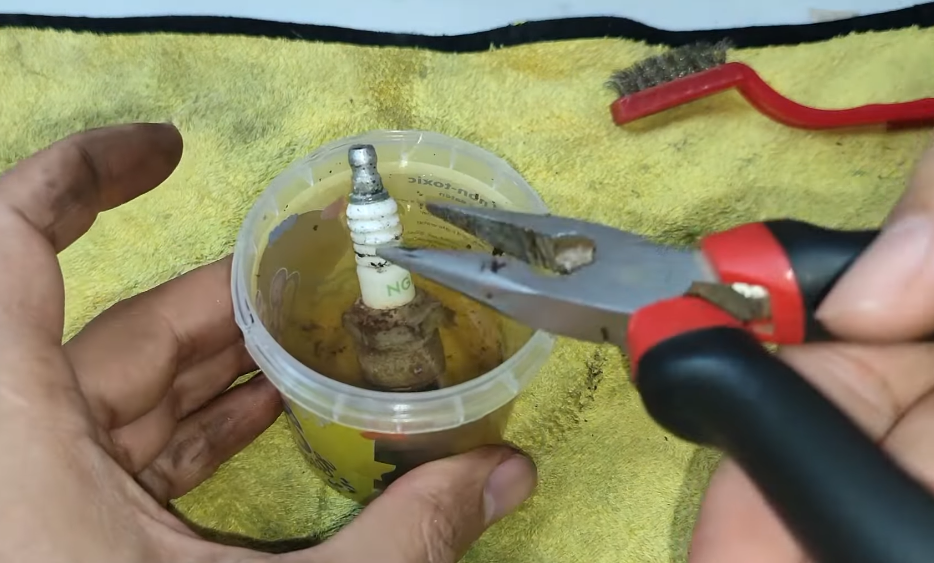
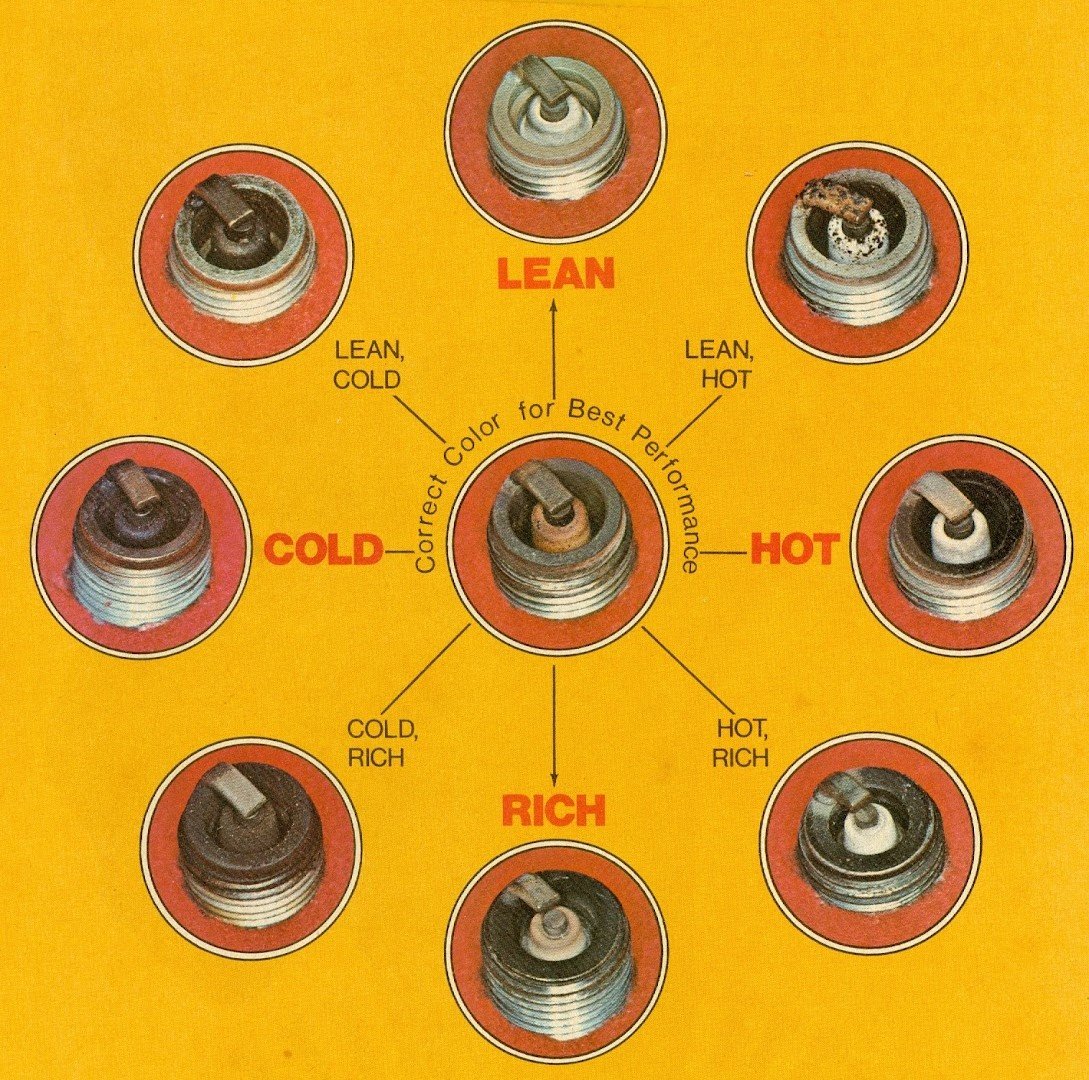
Take the spark plug out slowly, once it has been fully loosened. Be careful not to drop the plug, as doing so would permit the entry of debris and dirt into the engine. Plugs that are heavily worn out and clogged with strange substances require a replacement. changes are engine issues are likely to occur if plugs shows signs of deposits, fouling, or damage.
Step 5: Verify the Spark Plug Gap and Set the Gap as Needed
The first and most important thing that should be done before installing new spark plugs is determining whether they are gapped correctly. The gap is the distance that separates the center electrode and the ground electrode. It is important to know that the gap greatly influences the spark plug’s ability to ignite the fuel-air combination.
Verify the Gap
Most spark plugs are sold already gapped. However, it is important to check whether it has been gapped correctly using a feeler gauge or gap tool. The gap that is supposed to be set for a Ford Transit Connect varies depending on the year and the engine. The gap for most Transit Connect vehicles is about 0.8 mm.
If the gap is too wide or too narrow, use the feeler gauge or gap tool and the manufacturer’s gap specifications to satisfy the required gap.
Step 6: Replace the Old Spark Plugs With the New Ones
The new spark plugs should be installed properly. It is important to note that their performance will be greatly affected if they are not installed at the correct torque.
Hand Tightening Spark Plugs
To begin, insert the new spark plug in the spark plug well and tighten it by hand. It is imperative that no tool be used at this stage, as starting spark plugs by hand makes sure that it is properly threaded into the cylinder head, as well as avoids cross-threading.
Using a Torque Wrench
After the plug is tightly fastened, tighten the spark plug with a torque wrench and set it to the recommended torque value from the manufacturer. Under-tightening a spark plug will lead to loosening and misfiring while over-tightening will lead to stripping the threads.
For the majority of Ford Transit Connect models, spark plugs tend to be somewhere in the average value of 10-15 ft-lbs. Always check the service manual to get the correct value.
Step 7: Place the Ignition Coils Back
The installation of new spark plugs can now be followed by the reinstallation of the ignition coils.
Place the Ignition Coils Back
All ignition coils must be placed back with care onto each and every spark plug for them to function. Make sure the coil makes proper contact with the plug.
Secure the Coils and Reconnect Electrical Connectors
Once all ignition coils are in, place the retaining bolts to secure the ignition coils. It is important to tighten the bolts to the manufacturer specifications without exceeding it.
You will hear a click once the electrical connectors to the ignition coils have been reattached properly.
Step 8: Placing the Engine Components Again
You’re now ready to place the components back on the engine. Make sure to tighten the coils strongly to the engine so that they do not blow away.
Put Back the Engine Covers and Other Parts
Put back any components and covers that you loosened earlier. Make sure to tighten everything properly. Do not overtighten the plastic parts, as they are more prone to breakage.