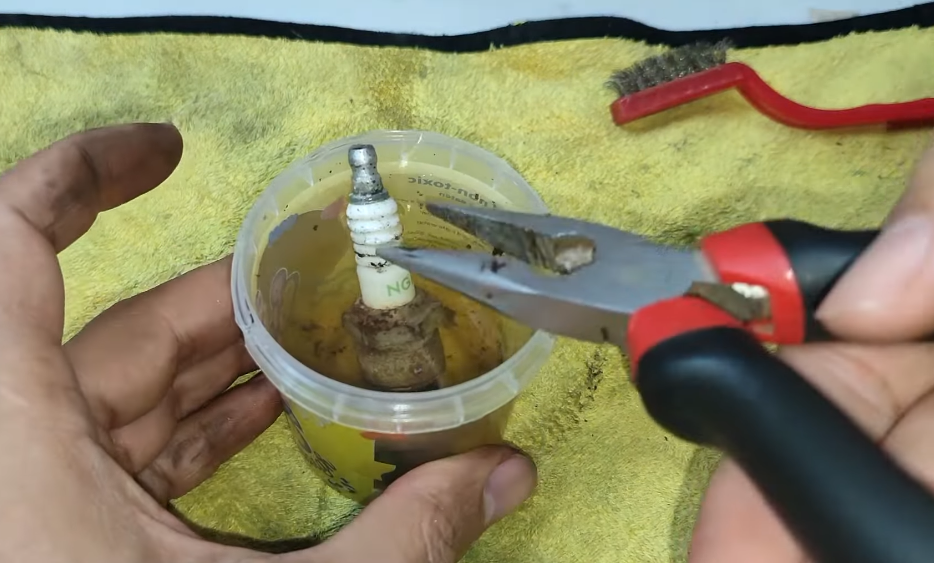
F7TC spark plug to NGK: The F7TC spark plug can be replaced with the NGK BP7ES, as they share similar dimensions and are compatible with most small engines. While the BP7ES offers a slightly higher heat range and more durable nickel alloy electrodes, it remains a reliable alternative for improved performance and longevity.
When you’re preppin’ up a little beast—like your lawn mower, portable generator, or that go-kart with the welded-on coffee cans—the spark plug is your first stone-cold hero. It lights the mix and decides how smoothly the engine purrs, and how many weekends you get before the thing hiccups. The F7TC plug is a standard soldier for lots of small engines, but it won’t last forever. If you want an easier, snappier spark, you can slide an NGK BP7ES into the same spot and ride home with better fire in the cylinder.
This post is your head-to-head match. We’ll lay out the numbers for both the F7TC and the BP7ES, show you which engines like which, walk you through sticking one in, and cover what to do when things go sideways. Whether you’re a small-engine whiz or just figuring out how to lean over a carb, you’ll get step-by-step advice to shove the right spark plug in the right hole when you tune up the machine that pays for your lawn bees and go-kart donuts.
First, let’s peek under the hood of the F7TC, see how it’s wired together, and how it makes fire to get our favorite engines purring.

What Is the F7TC Spark Plug?
The F7TC spark plug is the shut-up-and-work part you count on whenever you grab a gas-powered tool. It keeps your lawn mowers running, your chainsaws biting, and those odd little generators you borrow from the shed humming. Made by Torch, a brand known for no-frills prices and dependable guts, the F7TC handles the everyday beatings your yard and garage dishes out season after season.
F7TC Spark Plug Specs at a Glance
You don’t want a dozen tech specs—just the numbers that help get your job done. Here’s the F7TC at a glance:
- Thread Diameter: 14 mm
- Thread Reach: 19 mm
- Electrode Gap: 0.7 mm
- Hex Size: 21 mm
- Seat Type: Flat
- Electrode Material: Copper Core
- Heat Range: 5 (medium)
Understanding the Heat Range
Heat range is the number that shows how fast the plug moves heat out of your engine’s hot zone. Think of it like air conditioning for small motors. Lower numbers cool better, and higher numbers tolerate more heat. The F7TC’s heat range of 5 means it’s the Goldilocks balance—not too hot, not too cold, just right for the everyday engine you fire up whenever the chore list comes out.
That’s why you can count on it for jobs ranging from mowing the grass to chopping firewood.
Electrode Material
The F7TC spark plug packs a center baked-in copper core. This metal whisks the voltage from the coil to a concentrated spark, shaving off the lag that some colder plugs add. Since copper is a champ with electricity, the plug can use a narrower center wire, yet still thrives on heat that travels down into the core. This keeps carbon and oil deposits from sticking. One downside? Copper is a bit on the soft side, so gritty particles from a rough fuel blend may start to wear it down in just a couple of years.
What is the NGK BP7ES Spark Plug?
The NGK BP7ES comes out of the same plant that makes every kind of spark plug money can buy—NGK keeps scooters, lawnmowers, and long-haul rigs humming day and night. The stock F7TC is a nice fit in most bikes, but racers like a plug that can handle the Index crank-case heat cycle and still behave like a Sunday champ. This BP7ES plug doesn’t look exactly like the F7TC, but the copper wire cap, the taller insulation to fight shield heat, and the hotter bead design rob the bike of jitters. When that carb warms up, every BBiw light stays green, ready to eat the next corner.
Specifications of the NGK BP7ES Spark Plug
Installs the same way—seat, spin, and lock—yet the BP7ES boasts a beefy copper worm and a twist of ferritic ring the F7TC just lets slide. The insulator is still ferritic ceramic, but guess what? NGK laced the mix with a hint of stout iron oxide, so it clutch-hugs flaming gases even when the color is luminous red. When temp licks the redline and throttle bites, that same grit sheeting and tidy mid-spark size trim the linger cycle blow-out, so a two-click, polite twist hands the throttle that spit of torque, and the exhaust tone dresses one stitch deeper in reel.
Quick Specs for BP7ES Spark Plug
- Thread Diameter: 14mm
- Thread Reach: 19mm
- Electrode Gap: 0.9mm
- Hex Size: 21mm
- Seat Type: Flat
- Electrode Material: Nickel Alloy
- Heat Range: 7 (one notch up compared to F7TC’s 5)
Heat Range Explained
Heat range 7 means the BP7ES carries away heat quicker than the F7TC with heat range 5. This makes the plug a perfect partner for engines that run hot or work overtime. By running a bit cooler, the BP7ES prevents carbon from sticking, keeps the combustion area cleaner, and helps the plug fire strong and steady, even when the going gets tough.
Material Advantage
This plug boasts a nickel-alloy electrode instead of the copper center seen in the F7TC. Nickel’s resistance to heat and wear lets the BP7ES fire a solid spark for a longer stretch. Facing high heat and heavy wear, the nickel surface keeps its shape, meaning you get dependable starts and longer service intervals.
F7TC vs. NGK BP7ES: Which Spark Plug You Need
If you’re choosing between the F7TC and the NGK BP7ES, you’re looking at two solid options that fit the same 14mm hole in most small engines. That said, there are some key differences. The BP7ES can handle harder work without flinching thanks to its nickel-alloy center and one notch tougher in heat range. The F7TC is dependable, but it’s designed for motors that cruise rather than floor it on every ride. Select the one that lines up with how tough you ride.
1. Heat Rating
The heat rating determines how well the plug can keep its cool. A plug with a lower number lets heat escape, while a higher one grabs heat to stop the metal from glowing and causing trouble. Here’s how the two stack up:
- F7TC: This one scores a 5, so it keeps its cool for casual riding—perfect for city stop-and-start traffic or a cruise at an easy pace.
- NGK BP7ES: With a heat ranking of 7, it pulls heat away quickly enough to handle the heat of long stretches at full throttle. That makes it a solid choice for racetrack stress or for engines that just came out of a full restoration.
When your engine’s really hustling—like hauling a trailer uphill or roaring off the line—reach for the BP7ES and keep your ride safe.
2. Electrode Gap
The distance between the plug’s electrodes matters more than most folks think. A wider gap throws a brighter, hotter spark, which lights off the air-fuel mixture more completely and lets the engine run at its very best. The trade-off? Those electrodes take a pounding and wear a little quicker. Let’s break down the gap on the two options:
- F7TC: set at 0.7mm. That’s the sweet spot for most stock rides, giving a safe, steady spark.
- NGK BP7ES: at 0.9mm out of the box. The wider gap suits high-performance or boosted engines that crave extra kick.
Worried that 0.9mm is too big for your setup? No need to swap plugs. Grab a spark plug gapper, take the BP7ES down to 0.7mm with a gentle twist, and you’re set.
3. Electrode Material
F7TC: Copper core
NGK BP7ES: Nickel alloy
Copper carries electricity like a boss, but being soft comes with a cost. It melts away quicker than the tougher nickel alloy you get with the BP7ES. When you line the two up, you’ll notice the BP7ES hangs on and finally needs to be replaced long after the copper core is toast.
Why Replace the F7TC with NGK BP7ES?
Dropping the F7TC and snapping in the BP7ES brings you three seriously sweet benefits:
1. Tougher and Longer Lasting: The nickel alloy laughs at heat, dirt, and grime love to a burn. Copper? It vaporizes and leaves the F7TC melting. When you tackle long stretches at heavy loads, this nickel layer says no to breakdowns and says yes to a simple plug swap in to the shop instead of the big problems later.
2. Overachiever on the Spark: The BP7ES thrives in a nice, broad heat zone. Unlike the F7TC that curls up at the first spike, the nickel center keeps its cool. When you crank it, this steady core throws out stronger, steadier sparks that are even cooler. The engine snags that timing, waking up the cylinders on cue, every mile, rain or climb. Overachiever plug, here you go!
3. Better Availability: If you try to shop for an F7TC spark plug, you’ll end up on an all-day road trip hitting mom-and-pop parts shops. The BP7ES from NGK saves you that hassle. Literally every auto parts store has them, plus you can check Amazon or RockAuto and order one while you down a coffee and hit complete purchase.
How to Replace F7TC with NGK BP7ES
Changing over from F7TC to NGK BP7ES is an easy one-afternoon swap, and your engine will then run a whole lot happier. Finish reading this post to see what else you’ll need, then roll up your sleeves and get to it. Have a tidy workbench ready, and gather that gear before you even pop the hood.
Tools You Will Need
- 21mm spark plug socket
- Torque wrench
- Spark plug gap gauge (not required, but saves time later)
- Anti-seize lube (optional, but worth it)
Step-by-Step Instructions
Tools ready? Fantastic. We’ll yank out the F7TC and slide the BP7ES right in. Follow every step or else your gearhead buddy’ll get an easy laugh later. Let’s leave the punchlines out of this one.
1. Shut Off the Engine. It might seem like a no-brainer, but let the engine cool a minute. Trust me, no one enjoys a surprise fist-bump with a 200-degree exhaust pipe.
Do this one tip and everything else is smooth sailing. Keep at it, and by Sunday afternoon, you’ll be the spark plug superstar everyone’s mentioning at the barbecue.
2. Find the F7TC Plug: Look straight over to the cylinder head for the F7TC. If it’s sandboxed up there, lift the air filter or any bracket that’s wedging in the way. Clear that clutter now—waiting only jams the job up more.
3. Pop the F7TC Plug Off: Grab a 21mm deep socket and the ratchet. Center the socket squarely on the plug, then ratchet it counterclockwise until it cracks free. Finish with fingers to snag it before it drops into the head.
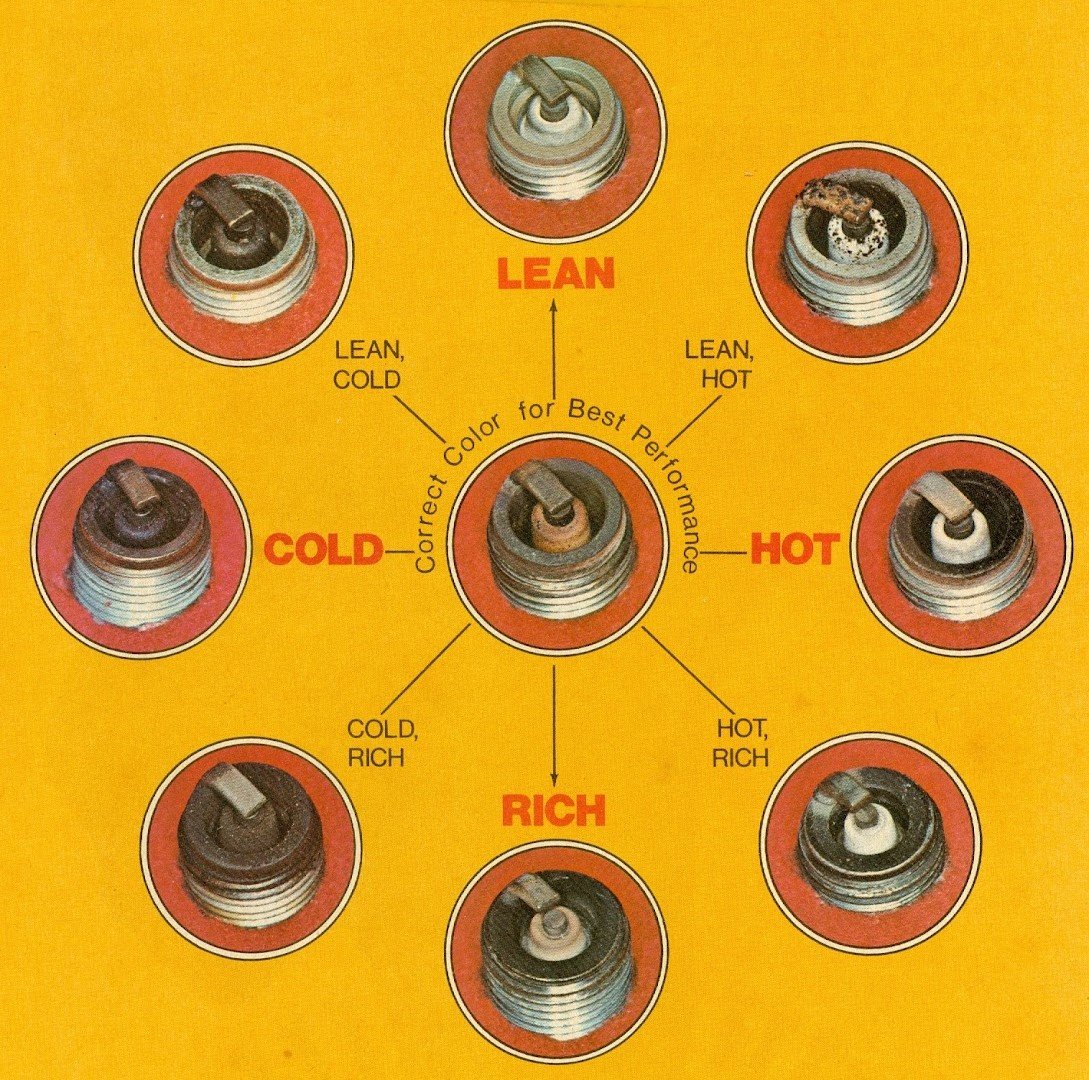
4. Check the Old Plug: Hold the old plug under light—any reddish rust, a tippy-electrode, or a packed layer of black is a loud “swap me.” A light smear of oil is normal, a major grease ring is XP level 1, call for a new one.