The Ford Triton 5.4L V8 engine is very popular for its workhorse ability in trucks, vans, and SUVs, while providing dependable performance across various Ford models, such as Ford F-150 SuperCrew, Expedition, and Navigator. However, it is infamous for one problem among many, which is a spark plug blowout.
As the owner/operator of a vehicle running the 5.4L Triton, you may wonder at some point, ‘Does the Triton 5.4 have spark plug blow out?’ Problems due to spark plug blowout may become serious and costly involving loss of operational time if unaddressed, but based on one’s understanding, may be resolved or prevented.
This blog post, based on the understanding of the causes of spark plug blowout in the Triton 5.4 engine, will identify the main signs of the problem, detail the reasons for the defect, and describe the positive actions you may take to help protect the engine. Thus, the reasons why Triton 5.4 spark plug blow outs is a well-known problem especially in the early production runs will be detailed.
Why Does the Triton 5.4 Spark Plug Blow Out?
Ignorance of the reasons may defeat the purpose of diagnosing and preventing the problem. Understanding the response of the engine to the operational environment during which the blowout occurs is the starting point to preventing loss of operational time and spark plug blowout.We will now examine the specific design problems, the specific installation issues, and specific engine parts contributing to spark plug blowouts for the 5.4L Triton engines.
Engine Design and Vulnerabilities
One of the problems with the Triton 5.4 engines, particularly the 2 valves, is the prevalence of spark plug blowouts. Part of the reason for this is the design of the engine and the way plugs are threaded into the aluminum heads. In the earlier 5.4 Triton engines, the amount of thread depth for the spark plug is unfortunately quite small.
They are only engaging 4-5 threads with the aluminum head. While they are lightweight and excellent for performant thermal cycling, aluminum isn’t as strong as steel and the threads are capable of wearing out or completely stripping over time with the constant cycling of the engine heating up and cooling down.
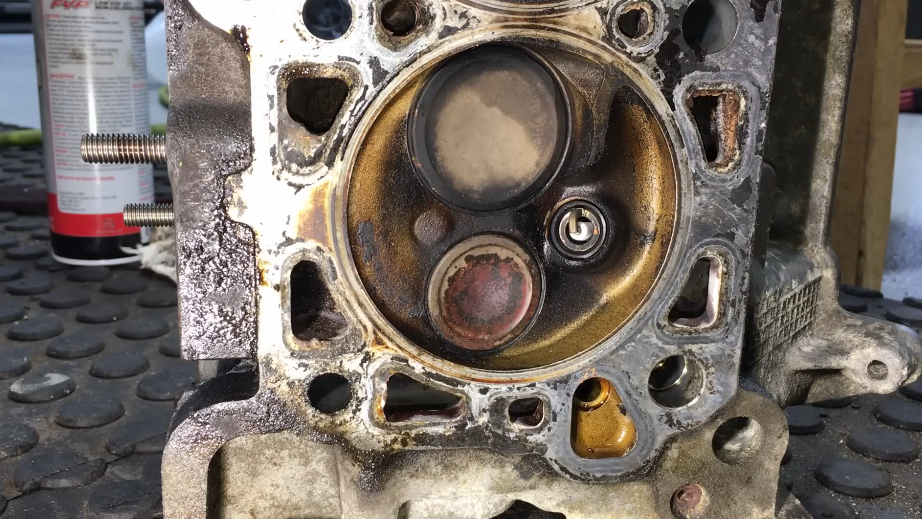
When a spark plug is secured into a cylinder head, it is threaded down. Ideally, the threads in the head would hold the spark plug securely in place, preventing any movement during engine operation. Unfortunately, the metals in the cylinder head of the 5.4 Triton engine are aluminum and those threads were never meant to handle constant torque from high temperatures, combustion pressure, and metal expansion and contraction.
These ultimately result in thread deterioration and complete thread stripping.
Which Ford Models Are Affected by the Triton 5.4 Spark Plug Blow Out Issue?
Most ford vehicles that have 5.4L V8 engine 2-valve are ford models which have been associated with the Triton 5.4 spark plug blow out. In this section, we explore which model years are most impacted by this issue and why.
Most Affected Model Years
Most of the Triton 5.4 spark plug blow out is associated with 2-valve engine versions, especially the models that were manufactured in the years 1997 to 2002. Ford’s 5.4L V8 Triton engine was equipped in several vehicles, namely Ford F-150, Ford Expedition, Lincoln Navigator, and E-Series vans.
There is at least some evidence that the 2-valve 5.4L V8, those early editions particularly, tend to have spark plugs that blow out, which might be the result of some weakness to the depth of the thread design that was originally used on this engine.
Ford, over the years, has shown improvements to refining the engine design, the first of which was the added 3-valve option to the 5.4L engine in 2004. These models had deeper, more robust thread designs in the cylinder heads, which went a long way to preventing spark plugs from blowing out. While later models had the problem minimized, early models, particularly those from the later 1990s/early 2000s when the engine with the 2-valve system was first released, had a much more severe escrow problem.
The Transition to the 3-Valve Design
There was far less spark plug blow out occurrence after the 3-valve 5.4L V8 went into production in 2004. The 3-valve business design had cylinder heads that reached deeper into the units, seated more robustly, and had greater thread designs. Owners of vehicles manufactured during the 2003 production year and after that feature the 5.4L Triton engine, to a much greater extent than owners that have 2002 models and earlier, have a much lower likelihood of experiencing a spark plug blow out.
Greater care and caution must be exercised with the new designs. The same attention to design refinements must be respected to prevent spark plug out blowing, to avoid engine over-torquing, and to avoid incorrect spark plug instantiation.
Although the blow-out problem is not entirely resolved, its prevalence is significantly lower.
Symptoms of a Triton 5.4 Spark Plug Blow Out
Other signs of Triton 5.4 spark plug blow out include:
Loud \”pop\” or \”bang\” sound: This is the first indication of a blow-out spark plug. The engine produces a loud noise from what sounds like a mini explosion or pop when the spark plug is blown out of the cylinder head.
Misfiring engine: The blow-out spark plug may lead to one or more of the engine’s cylinders to misfire. This occurs as the spark plug no longer make a proper seal and the engine suffers increased irregularity in its operation and a decrease in power. You may detect this with rough idle, power loss, or a decrease in acceleration.
Check engine light (CEL): A blow out of a spark plug may trigger the vehicle’s check engine light (CEL). The vehicle’s diagnostic system (VDS), may misfire due to the spark plug or may be fired erratically, and the VDS will register that event and illuminate the CEL.
Visible spark plug damage: As you could examine the spark plugs, missing foot damage could signify a likely blowout, and damage would appear as broken or missing internal components, or expose resulting damage or wear.
Loss of power: As the spark plug becomes unseated, engine power loss will be felt particularly during acceleration or when attempting to cruise at a constant speed over extended periods.
How to Fix a Triton 5.4 Spark Plug Blow Out
If you have Triton 5.4 spark plug blow outs, it is only a matter of time before more serious problems occur. If you have damage to your engine, we’ll help you fix engine problems and restore functionality.
Step-By-Step Repair Process:
If you have a Triton 5.4 spark plug blow out, it is vital to act quickly before your engine suffers additional damage. Encountering additional complications while repairing is common any time a blow out occurs, and the difficulty of the repair is proportional to the amount of damage sustained. Identifying the extent of the damage before beginning is critical to a successful repair.
If the spark plug is loosened, you may be able to retighten it, but it is rare to have a simple fix. If the thread in the cylinder head has become stripped, the repair will be more costly and complicated.
Remove the coil packs and spark plugs: First, disconnect the battery to prevent electrical problems during the repair. Then remove the coil packs, and the damaged spark plug, to allow you to examine the cylinder head threads more closely.
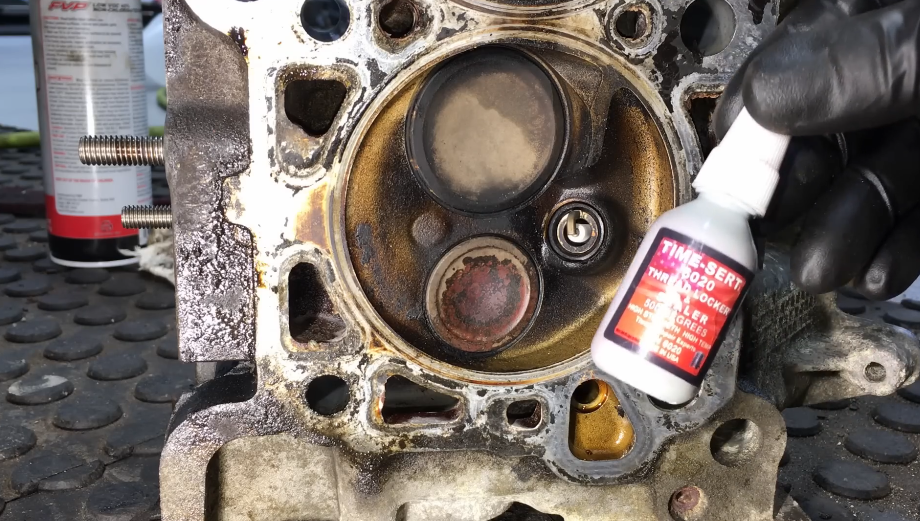
Make sure to check for damaged threads first: If the threads are damaged, a thread repair kit, such as a Time Sert or Heli-Coil, will be necessary to rethread the hole for the spark plug to be installed.
Install the kit: Following the provided instructions, clear the cylinder head of debris, remove the damaged threads by drilling, and insert the kit. This will create the necessary hold for the spark plug to compress the inserted threads and hold the spark plug firmly so that no gaps will blow.
Replace the spark plug: New spark plugs can be installed once the thread repair insert has been properly fitted. Make sure there are no gaps on the spark plug that would leave it either over or under torqued to the values supplied by the manufacturer.
Inspect the engine: After verifying the spark plug has been tightly fitted back into the cylinder head, plug the coil pack back in to complete the repair. Then, start the engine and monitor for any audible indicators that it may be malfunctioning along with flashers for warning indicators that would illuminate when the engine is not functioning properly. Read more about How Tight to Tighten Spark Plugs.
When to Seek Professional Help
Triton 5.4 spark plug blowouts can be difficult to repair and not all do-it-yourself enthusiasts may be comfortable tackling the repairs, and they may not be as straight as they seem. If you have little to no experience with engine repairs, taking the vehicle to a professional mechanic who specializes in automotive engine repair is the safest and most efficient way to get the repair done.
Mechanics have the right tools and knowledge to accurately install threaded inserts, perform spark plug replacements, and examine the engine for other potential problems that may be causing the blow out.
Preventing Triton 5.4 Spark Plug Blow Out
There are many things you can do so that you do not have to deal with a full blow out, and taking action to prevent the spark plug blow out may save you time and frustration in the long run
Use the right spark plugs: Always make sure to use the specific type of spark plugs that are recommended for the engine. Using the incorrect spark plugs can increase the likelihood of blow outs as they can fit in the socket incorrectly and cause excessive thread wear.
Proper installation torque: Ensure that the spark plugs are torqued according to the recommended installation torque specifications for the spark plugs. If the spark plugs are torqued too much or too little, the threads may be stripped, and an increased risk of blow outs is likely.
Use of an anti-seize compound: An anti-seize compound is often recommended for the threads of the spark plugs to avoid the negative impacts of corrosion and to aid in the easier removal of the spark plugs. However, be careful that too much anti-seize compound is not applied as this may lead to insufficient torque of the spark plugs.
Regular maintenance and inspection: Regular maintenance inspections of the spark plugs and spark plug threads are important, and are particularly important for high mileage vehicles. If there are any signs of misfire, wear, or damage to the threads, take the proper steps to fix these issues to avoid a blow out.
Consider retrofitting: Some owners of the older 5.4 Triton engines have preemptively installed a more durable spark plug design or fitted the cylinder heads with a thread insert to mitigate the risk of blow outs.
Frequently Asked Questions
Here are some FAQs about triton 5.4 spark plug blow out –
1. What year did Ford fix the Triton 5.4 spark plug blow out issue?
Ford began to address the blow out of spark plugs with the implementation of the 3 valve engine design in the year 2004. The head redesign, as well as the reinforcement of the threads, greatly reduced the prevalence of blow outs in the newer model.
2. Is there the possibility of there being serious engine damage due to a Triton 5.4 spark plug blow out?
Yes. Of the many serious damages are cylinder head threads stripping, loss of compression, and possible damage to other engine parts.
3. What is the cost to repair a spark plug blow out in a Triton 5.4?
Repair costs are based on the damage done. Simple repairs, like using a thread repair kit, costs anywhere from $100 to $200, whereas more extensive repairs, like a head replacement, may cost $1,000 or over.