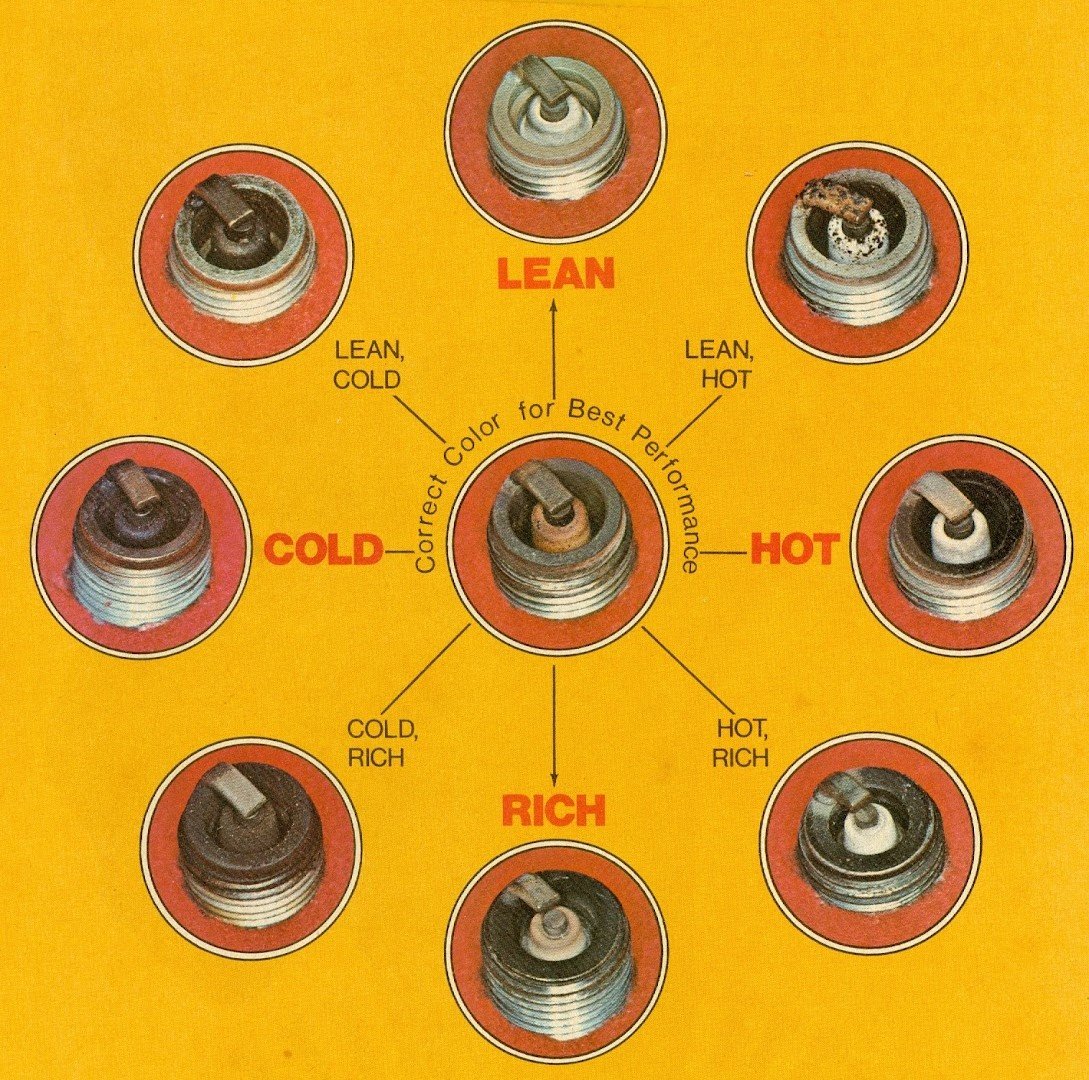
2 stroke spark plug color chart helps diagnose engine issues by examining spark plug colors. It reveals if the engine is running too lean, too rich, or at optimal performance.
Your 2-stroke engine has many parts, and even something as small as a spark plug is critical for its operation. Its job is to ignite the fuel-air mixture that is used to power your vehicle/machinery. However, the spark plug is more than just an igniter; it also contains information about the performance of the engine. The spark plug may change color and tell you about the issues it’s having with combustion, the air-fuel mixture, or the engine’s overall health.
This is the 2-stroke spark plug color chart. It explains the color coding for spark plugs and the issues they relate to. Knowing about these will help you diagnose and address issues with your engine, no matter your level of expertise. It’s critical to help the engine run optimally and last longer.

Contents
Spark Plug Colors in 2-Stroke Engines
A spark plug gives feedback on how well the engine is performing for 2-stroke engines. In a 2-stroke engine, the spark plug is responsible for igniting the fuel-air mixture that the piston has compressed. That piston must be driven by the spark plug. Spark plugs can turn a different color, and some of those factors include:
1. Mixture of Fuel and Air
If the correct proportion of fuel and air is not in the engine, then there can be problems. If there are no issues, the spark plug should indicate that there is a perfectly balanced air and fuel mixture.
2. Engine Temperature
It is necessary that the engine be in ideal conditions, as overheating or an excess amount of carbon can ruin an engine or make combustion take place at a bad cycle
3. Quality of Fuel
Even low-quality or dirty fuel can cause bad combustion, which makes fuel get thrown away and can create a problem for the spark plugs.
Spark plugs can help you find problems like bad fuel mixtures, overheating, or maintenance problems. A spark plug that is well-maintained and shows the right color will help your engine to run better.
A color chart for 2-stroke spark plugs
Here are the spark plug colors that you could possibly see and what significance they will hold for the condition of the 2-stroke engine.
a) Light Brown or Tan – Balanced Combustion
Having spark plugs that are light brown or tan in color is usually the indication that the engine is running well. This color suggests that he air/fuel ratio is moderately and the combustion is keeping the engine in good condition.
What it means: Light brown and tan colors tell of great combustion. It informs that the engine is functioning on a proper air-fuel ratio and is not running too rich or too lean. The temperature is optimal and no indication of overheating.
Why it’s important: This is what every engine aims for. This color represents the engine’s ability in burning the fuel, hence performing efficiently.
What to do: Nothing much to do, just continue regular maintenance like oil changes and plug replacements.
b) White – Too Lean
If you’re seeing white spark plugs it could mean that your engine is running too lean. This means that there is too much air and not enough fuel. This situation for your engine is overheating, and could cause serious damage, making this an urgent issue.
What it means: A spark plug turned white, or has a chalky look, is a sign of a lean air fuel mixture. The air to fuel ratio is too high for the fuel and the engine is burning more air than fuel. The problem with this is that it causes a lot of forward motion at a high rate.
Why it’s a problem: A lean air fuel ratio could cause some serious vehicle problems, overheating, and knock. Lean problems in the mixture could be an issue caused due to heavy engine loads for too long at a time, or settings in the carburetor being too lean.
Action needed: Adjust the carburetor so the mixture is richer on fuel, so there is more fuel being injected into the cylinders. If the problem is still present, check the fuel system for leaks or blockages, and replace your fuel filter if you have to.
(c) Black and Oily – Rich Mixture
A black and oily plug is telling you the engine is running too rich and needs adjustments. There is too much fuel flowing into the engine’s air and fuel mixture. This can lead to poor engine performance and problems down the line.
What it means: When you see black, sooty, or oily spark plugs, it tells you the engine is running rich. The problem lies in the fuel to air ratio, where too much fuel is provided to the engine, which in turn means the engine burns off fuel much more compared to air. The result is carbon deposits on the tip of the plug which leads to poor performance.
Why it’s problematic: There are a lot of problems that are caused because of a rich mixture. The incredibly inefficient combustion can result in a loss of acceleration and a substantial excess in fuel burn, along with carbon deposits in the combustion chamber, and overall increased emissions.
Action needed: you need to clean out the carburetor, and do the same with the air filters if they are dirty, so there is a good flow of fuel and air into the combustion chamber. Then you can readjust the carburetor to be less fuel rich and improve combustion.
d) Light-brown Spark Plugs: Overheating
Finding spark plugs that are light brown or yellow can signal that your engine is overheating. Engine overheating can be caused by a number of issues including: excessive engine load and poor engine cooling.
What it means: Brown or yellow spark plugs mean that the engine is overheating. The causes of overheating can be using the wrong spark plugs, excessive engine load, inadequate engine cooling, and inadequate cooling airflow.
Why it is a problem: Overheating is dangerous because it can lead to engine failure. Piston damage and premature wear can be caused by overheating.
Action Needed: The cooling system needs to be checked to see if it is functioning correctly. If the problem continues, it is recommended to change the spark plug to a different grade. The engine can also be checked for blockages that might be affecting the cooling system.
e) Signs of normal wear
Plug that have become grey and ashy can be a sign of normal engine wear. It means the engine is still operating, and the plug is starting to show typical wear that will be encountered over time.
What it means: An engine that has normal wear and tear will have a grey or ashy spark plug as a representation of this. It subsequently means the engine is operating just about optimally, though the spark plug is experiencing a little bit of wear. It may also mean the engine is running lower in efficiency than when it was brand new.
Why it’s important: The grey spark plug means that the engine is burning fuel like it is supposed to, but it shows that the spark plug is in a little need of maintenance to keep the engine operating smoothly.
Action Needed: You need to do maintenance like spark plug replacement, oil changes, and cleaning the fuel system to keep the engine running at its best.
f) Brown or Black with Carbon Buildup – Incomplete Combustion
If the spark plug shows an entirely black and brown color, plus a lot of carbon buildup, this means that not all fuel in a cycle was burnt. This mostly happens because of a fuel mixture that is too rich, or lower quality fuel is used, and can lead to reduced engine performance if not monitored.
What it means: Spark plugs showing signs of carbon build-up, or showing brown or black discoloration means that some of the fuel is being left unburned after the combustion cycle. This can happen for a number of reasons, including a fuel mixture that is too rich, poor quality fuel, or prolonged periods of idling that don’t allow for a complete fuel burn.
Why it’s problematic: The more carbon build-up, the more misfires, rough running, and loss of engine power you will experience. In the long run, it can cause other components in the engine to wear out faster as well.
Action Needed: A good first step is to clean the carbon build-up off the affected spark plug(s). You might also have to adjust the fuel mix, clean or change the air filter, and make sure you have quality fuel in the engine.
How to Use the 2 Stroke Spark Plug Color Chart to Identify Issues
Identifying a problem with your engine using spark plug color is an easy way to narrow down potential problems. Follow the steps below to interpret color charts among any potential issues:
Step 1. Take Out the Spark Plug
Before any of the analysis can happen, the spark plug must be removed from the engine. Make sure to wait until the engine is cool to avoid any burns prior to touching the spark plugs.
Step 2. Analyze the Spark Plug
You must take a closer look at the plug’s insulator (center piece) and the electrode (the metal piece of the spark plug). Also do an overall inspection for any cracks or excessive wear.
Step 3. Use the Spark Plug Color Chart
You can use the color of the spark plug to identify engine issues. Use the chart to determine how engine problems affect the color of spark plugs. The chart will help indicate whether your engine is running too rich, too lean, or at optimal performance.
Step 4: Adjust Different Components, Clean or Replace Some Parts
From what you discovered, you may have to use the carburetor to change the fuel mixture, replace the spark plug, or clean the filter or fuel system. Your fuel system and spark plug are a part of the larger engine system and will affect the overall engine system.
Maintenance Tips for Improved Fuel System
Some of the more fuel system and spark plug maintenance tips are:
- Clean and inspect spark plugs: If a spark plug is showing engine signs of wear and doesn’t seem to be working, you may have to clean or replace the spark plug. This will increase the combustion, which will improve the overall performance of the engine.
- Type of fuel: Make sure that the fuel that you are using is clean and of a higher value (i.e., high level of octane). If the fuel is poor, it may not burn or complete combustion fully and will leave residue.
- Check the mixture: Make sure that the mixture that you have in the carburetor is right. It should not have too much of either one, as too much of one or the other will lead to poor performance.
- Cooling system: Always make sure that engine is not running too hot, as it can cause it to run too hot which may damage components. This is is achieved by ensuring that the cooling system is working and is not blocked.
Mistakes When Reading Spark Plug Colors
Looking at spark plug colors can help you with adjusted some diagnosis Some mistakes can lead you down the wrong path while reading. Knowing mistakes helps to lead you to the proper adjustments.
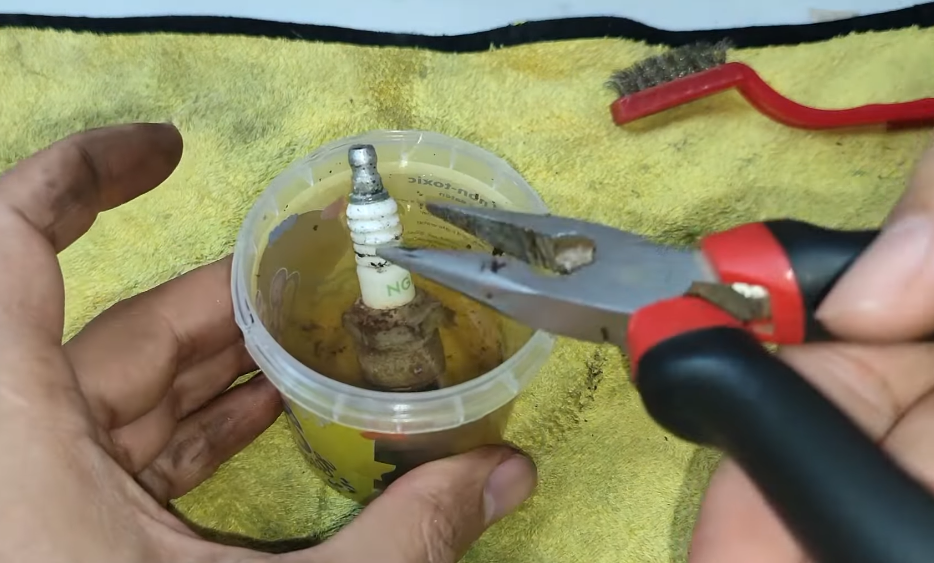
a) Not Cleaning The Spark Plug: Dirt and carbon deposits cover the spark plug and obstruct true color of the spark plug. Cleaning the spark plug helps to see the real color of the spark plug.
b) Not Considering the Conditions of the Engine: Spark plug color won’t tell you the whole picture. The temp of the engine and quality of fuel and load also need to be considered.
c) Ignoring the Maintenance That Needs to be Done: Spark plug may look good but that doesn’t mean the engine doesn’t need some maintenance. Change the filters, look at the coolant, and clean the fuel system.
Frequently Asked Questions
Here are some FAQs about spark plug color chart for 2 stroke –
Q1: How often do I need to check the color of the spark plug?
A1: You should check the spark plug around every few rides and every once in a while pay attention to the ability of the engine. This will help detect problems early.
Q2: It is possible for the color chart to be applied for the spark plugs of 4-stroke engines?
A2: Certainly. Spark plug color chart works for both 2-stroke and 4-stroke engines albeit the ideal spark plug color can differ a little depending on the engine.
Q3: What spark plug color is best for better engine performance?
A3: Light brown and tan coloring on a spark plug is a sign of best engine performance.
Q4: Why is my spark plug black and oily?
A4: This generally means the engine is running too rich which in turn means there is too much fuel and not enough air. This can be fixed with a simple carburetor adjustment.
Q5: What should I do about a spark plug that is white or burnt?
A5: A burnt or white spark plug is a sign of a lean mixture or worse, overheating. You should try adjusting your carburetor and look for problems with your cooling system.
Q6: What should I do to not have spark plug problems?
A6: Spark plug problems can be avoided by ensuring that the air-fuel ratio is correct, using good fuel, and not letting spark plugs stay in too long. You can also rely on regular engine maintenance to prevent problems.
Conclusion
For anyone looking to learn the performance issues of an engine, one of the most important skills here is learning and interpreting 2-stroke engine spark plug color charts.
Understanding how to check your spark plugs and what the colors mean is key to making sure your engine is running smoothly, efficiently, and with minimal wear.
To improve performance and avoid many issues, you must address the color of the spark plug with light brown being ideal, and the spark plug showing wear.